
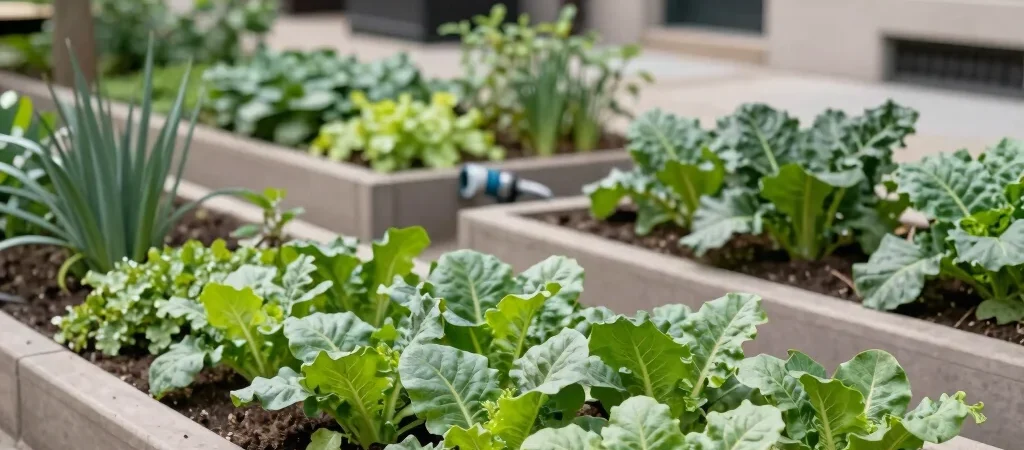
On a vacant city lot, rows of greens can make a block feel newly possible. Yet urban agriculture is shaped by more than soil and sunlight: land access, water, zoning, labor, and the time horizon of a lease can determine what gets planted and whether it lasts. I’m interested in the economics because it shows which parts of the project are supported—and which are being carried quietly by volunteers.
Land is the first crop
A community group may be able to turn a neglected parcel into a garden, but permission to use it is not the same as secure access. If the land could be sold or redeveloped, growers may hesitate to invest in raised beds, irrigation, soil improvements, or fruit trees that need years to mature. A written agreement with clear terms can matter as much as the growing plan.
Land costs also shape what kind of farming is possible. A small plot may be better suited to fresh produce for nearby residents than to crops that need large areas and mechanized equipment. The relevant question is not whether a city garden can replace regional agriculture; it is what a particular site can reliably provide and for whom.
Follow the hidden costs
Seeds and tools are visible expenses, but water access, soil testing, fencing, storage, and paid coordination can be just as consequential. So can the hours spent opening the site, organizing volunteers, and getting produce to a distribution point. When those costs are treated as free, a project may appear more financially sustainable than it really is.
Different goals call for different measures of success. A market garden might track sales and operating costs, while a community garden may place more weight on affordable access, learning, or neighborhood use. Naming the goal early makes it easier to choose the right funding, partnerships, and way to evaluate the work.
Build around the time horizon
Urban growing projects become more durable when their plans match how long they can count on the land. A short-term site might favor movable containers and seasonal crops; a long-term agreement can make investment in soil and perennial plants more sensible. The practical first step is to ask who controls the parcel, what the agreement permits, and what happens when it ends.