
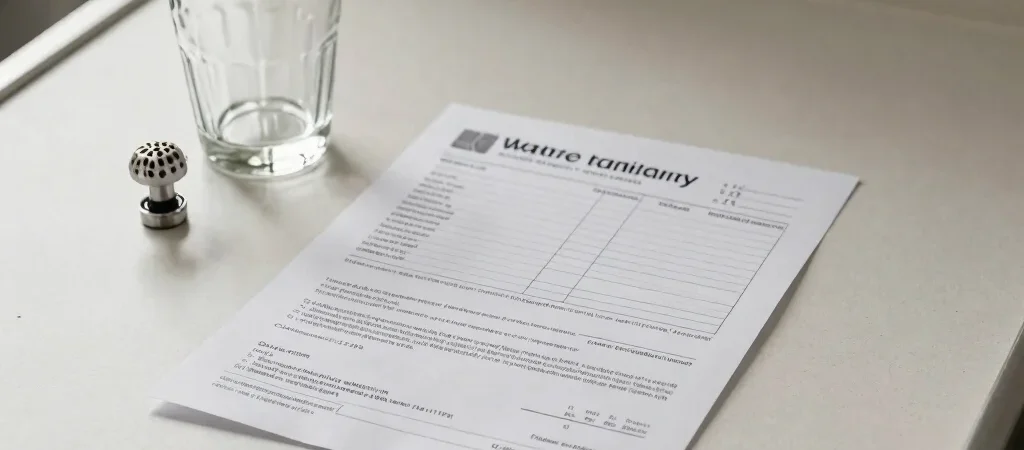
When a household opens a water bill, the number at the bottom looks like a simple price for a simple service. But that bill reflects a chain of choices: how a utility pays to treat and deliver water, how it spreads costs among customers, and what it wants people to do when supplies are tight. Economics helps explain those choices; it does not make the trade-offs disappear.
The signal inside the rate
A utility might charge a fixed fee for maintaining pipes and meters, then a usage-based charge for each unit of water. Some use tiered rates, where additional use costs more, to make heavy consumption more expensive. That can give households a reason to fix a running toilet or rethink frequent lawn watering, especially during a dry season.
But the signal is only as useful as the options available. A renter may not control old plumbing, and a household with a large family cannot cut use as easily as one with a yard to let go brown. A rate can communicate scarcity without giving every customer the same ability to respond.
Costs that do not move
Water systems have costs that continue even when customers use less: treatment plants, reservoirs, pipes, pumps, and the crews who keep them working. If a utility relies heavily on charges tied to volume, conservation can reduce revenue just as the system still needs money for maintenance. That tension is one reason rate design is a policy question, not just a math exercise.
The alternative is not simply to make water cheap or expensive. A utility can weigh fixed charges against usage charges, protect a basic level of household service, and explain how rates support long-term repairs. Each choice distributes costs differently, so customers should be able to see what the bill is paying for.
Read the bill as policy
The next time a water rate changes, look beyond the percentage increase. Ask whether the change pays for a specific system need, how it treats essential household use, and whether customers have realistic ways to conserve. Those questions make the bill less mysterious—and reveal whose circumstances the policy has taken into account.